Where to Stream Foreign Films Without Paying a Cent
By Nadia Fournier·Aug 28, 2026· 4 min read
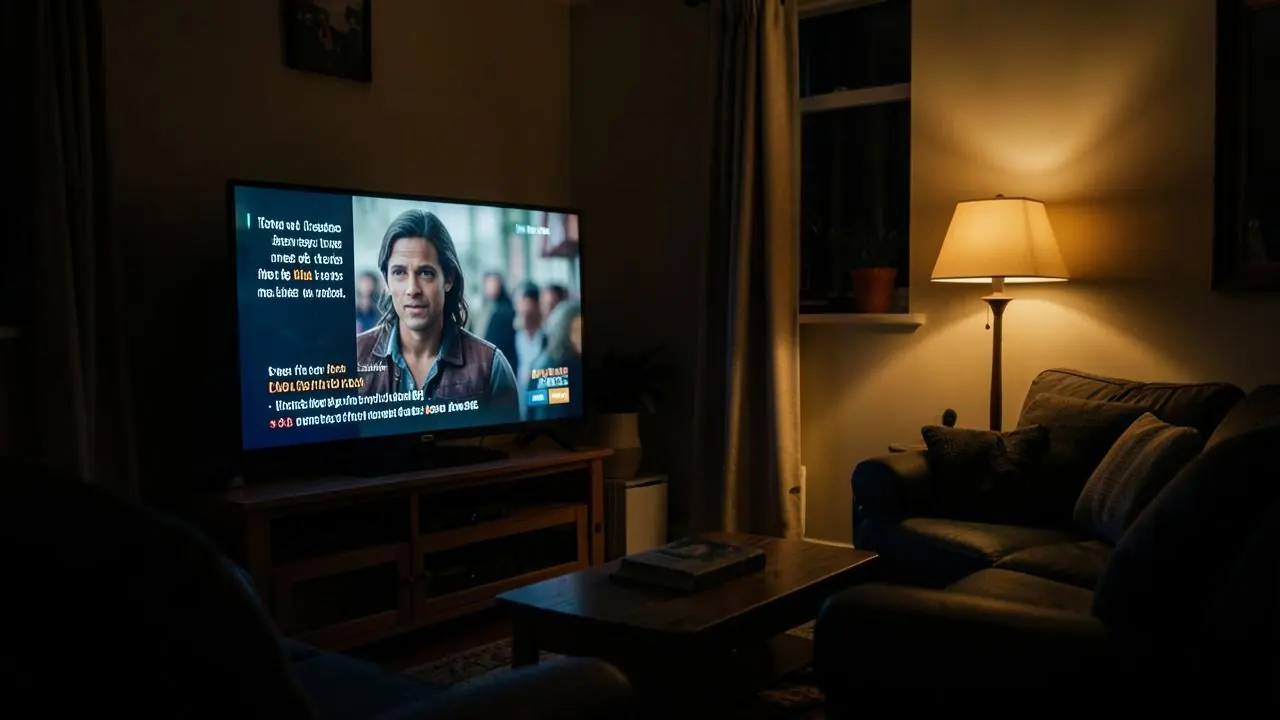
Subtitles are no longer a barrier to entry. Here is how to build a world-cinema habit using apps that cost nothing.
World Cinema Has Quietly Gone Free
A decade ago, watching a Senegalese drama or a Taiwanese romance at home meant hunting down an import disc or paying for a niche subscription. That friction has largely disappeared. Ad-supported catalogues, library partnerships and public broadcasters have pushed thousands of international titles onto services that ask for nothing more than an email address.
The result is a strange kind of abundance: the hard part is no longer access, it is knowing where to look.
Why Subtitled Films Are Worth the Effort
Films made outside the Hollywood system tend to obey different rhythms. Scenes run longer, endings resolve less neatly, and the small domestic details that a studio note would trim are usually left in. That is precisely the appeal — you are watching a story told for an audience that is not you, and the gap is where the interest lives.
Give yourself two or three films before deciding whether reading subtitles bothers you. For most viewers it stops registering almost immediately.
Ad-Supported Catalogues: The Widest Nets
Free, ad-supported streaming services carry surprisingly deep international shelves, largely because licensing older or non-English titles is cheap. Expect Korean thrillers, Hong Kong action, Bollywood musicals and a long tail of European genre cinema, usually broken out under an 'International' or 'World Cinema' row.
The trade-off is ad breaks and a catalogue that rotates. If a film matters to you, watch it the week you find it.
Your Library Card Is the Best-Kept Secret
Public library and university streaming partnerships are the strongest free option for serious viewers. Curation is closer to an arthouse programme than an algorithm: restored classics, festival winners, documentaries and full director retrospectives, all without advertising.
Access is typically metered — a handful of titles per month — which sounds restrictive until you realise it nudges you toward watching deliberately rather than scrolling.
Public Broadcasters and Cultural Institutes
Several national broadcasters and government cultural bodies publish films and series online for free, sometimes worldwide and sometimes region-locked. These catalogues are small but unusually well chosen, and they often include recent work that has not reached commercial platforms elsewhere.
It is worth bookmarking two or three from countries whose cinema you already enjoy and checking them every few months.
Digging Past the Front Page
Recommendation engines are trained on what most people click, which buries exactly the films you came for. Search by country, by decade or by director rather than browsing rows, and follow the cast list of anything you liked into its neighbours.
A short watchlist beats an endless one. Three films you actually intend to finish will teach you more about a country's cinema than fifty saved titles ever will.
A Practical Way to Start
Pick one region, one free service and one evening a week. Within a couple of months you will have a rough map of a national film industry and a much clearer sense of what you like — all for the price of sitting through some advertising or renewing a library card.
The catalogues are already there. The only real cost left is attention.